
How Quickly Can Signs of Gingivitis Turn Into Periodontitis?
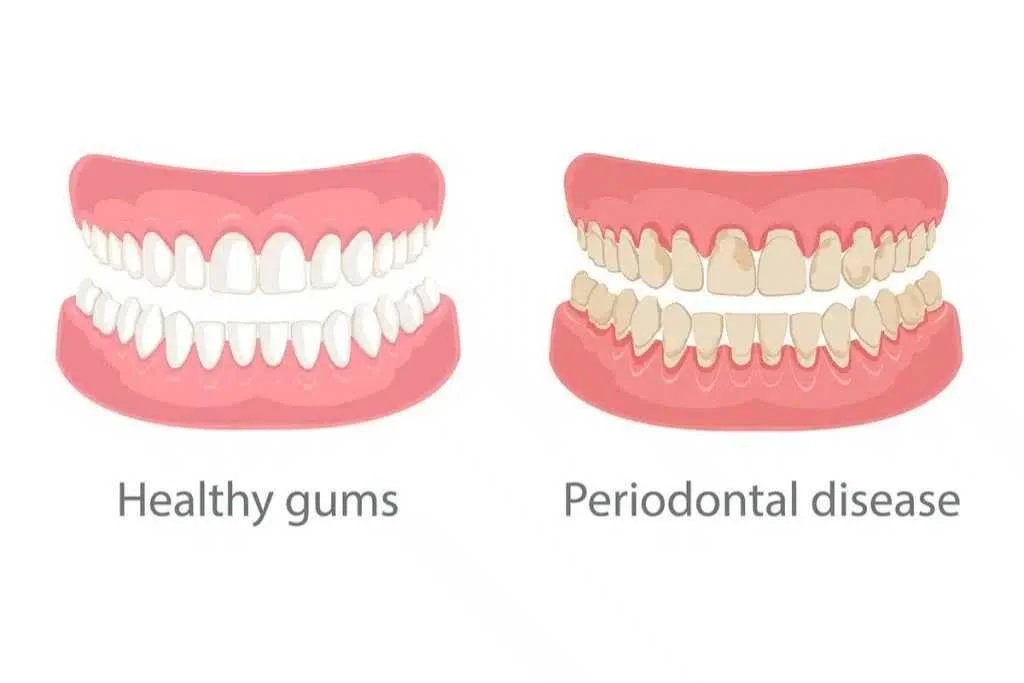
Early Signs of Gingivitis to Watch For
Gingivitis is a common condition caused by bacteria which affects the gum tissue. It is characterized by red, swollen, bleeding gums, and sometimes bad breath. Periodontitis, sometimes called periodontal or gum disease, is a more advanced stage that occurs after gingivitis and results in loss of bone and gum tissue that hold the teeth in the mouth.
If you have the signs of gingivitis, you may be wondering how long it may take before it turns into periodontitis. Here’s what you need to know to treat gingivitis and prevent periodontitis from developing.
Symptoms of Gingivitis
Gingivitis may be indicated by one or a combination of the following symptoms:
Red gum tissue
Swollen gum tissue
Bleeding from the gums when brushing, flossing, or eating
Sore or tender gums
Bad breath
Symptoms vs. Signs of Gingivitis - What’s the Difference?
Understanding the difference between signs of gingivitis and symptoms can help you catch gum disease much earlier. Signs are the visible changes you or your dentist can see — things like redness, swelling, or bleeding when you brush or floss. These early indicators often appear before any discomfort is noticeable.
Symptoms, on the other hand, are sensations you may feel, such as tenderness, gum soreness, or a lingering bad taste in the mouth. Many patients don’t experience symptoms until the inflammation has already progressed.
Because gingivitis is usually painless in its early stages, paying attention to the visible signs is essential. When these signs are ignored, the condition can advance into periodontitis, a more serious form of gum disease that leads to bone loss and, in some cases, tooth loss.
Symptoms of Periodontitis
Periodontitis is the next stage when gingivitis has progressed to gum disease. The symptoms of periodontitis include the above symptoms of gingivitis, as well as:
Receding gums
Long looking teeth
Loose teeth
Teeth that have shifted
Pain when chewing or brushing your teeth
Bad breath
Stages of Periodontal Disease
Gum disease develops in stages, beginning with mild inflammation and potentially progressing to irreversible bone loss if left untreated. Understanding each stage can help you recognise early warning signs and prevent long-term damage.
There are 4 stages of gum disease:
1. Gingivitis (Early Stage — Reversible)
Gingivitis is the first stage of gum disease and is caused by plaque buildup along the gumline. At this point, inflammation is limited to the soft tissues and has not yet affected the bone.
Key signs: red or swollen gums, bleeding when brushing or flossing, persistent bad breath. With proper home care and professional cleaning, gingivitis can be completely reversed.
2. Early Periodontitis (Bone Loss Begins)
If gingivitis is not treated, bacteria begin to migrate beneath the gums, creating small spaces called periodontal pockets. The body’s inflammatory response starts to break down the bone supporting the teeth.
Key signs: gums pulling away from the teeth, mild bone loss on X-rays, increased bleeding. Treatment at this stage may involve scaling and root planing to remove bacteria below the gumline.
3. Moderate Periodontitis (Progressive Bone Loss)
As the infection advances, pockets deepen and more bone and gum tissue are destroyed. Bacteria become harder to clean out without specialist care.
Key signs: deeper periodontal pockets, gum recession, tooth mobility, more frequent bleeding, noticeable inflammation. At this stage, treatment may include regenerative procedures to rebuild lost bone or gum tissue and stabilise the teeth.
4. Advanced Periodontitis (Significant Tissue & Bone Loss)
In the final stage of gum disease, the supporting structures of the teeth are severely compromised. Teeth may shift, loosen, or become painful when biting.
Key signs: severe gum recession, extensive bone loss, pus or infection around teeth, difficulty chewing, tooth movement. Without timely treatment, tooth loss is likely. Advanced surgical or regenerative periodontal care is often required to control infection and preserve oral function.
How Can You Stop Gingivitis From Becoming Periodontitis?
Gingivitis is the earliest stage of gum disease and, importantly, it is completely reversible. Periodontitis is not. The key to preventing gingivitis from progressing is early intervention and consistent oral hygiene paired with professional care.
Here are the most effective ways to stop gingivitis before it becomes a more serious condition:
1. Schedule a professional cleaning
Plaque and tartar buildup beneath the gumline cannot be removed at home. A periodontal cleaning or scaling and root planing—performed by a dentist or periodontist—removes bacteria that cause inflammation and allows the gums to heal.
2. Brush twice daily with proper technique
Gentle, thorough brushing along the gumline helps remove plaque before it hardens. Patients with early gingivitis sometimes benefit from an electric toothbrush for more consistent plaque control.
3. Floss once a day
Flossing removes plaque between the teeth where toothbrush bristles cannot reach. These areas are often the first places gingivitis develops.
4. Use antimicrobial or anti-gingivitis mouth rinses
Mouthwashes containing chlorhexidine, essential oils, or cetylpyridinium chloride can reduce bacterial levels and support healing.
5. Address lifestyle and medical risk factors
Smoking, uncontrolled diabetes, dry mouth, and chronic stress can all accelerate the progression of gum disease. Managing these conditions plays a key role in gum health.
6. Maintain a consistent home care routine
Daily plaque removal is the most important factor in preventing gingivitis from advancing. Even a few days without proper brushing and flossing can allow inflammation to return.
With early treatment and daily care, most patients can stop gingivitis from becoming periodontitis—and in many cases, reverse it entirely.
Prevent Periodontitis With Help From Dr. Froum
Gingivitis is reversible — but once gum disease progresses into periodontitis, the damage becomes permanent. The good news is that early diagnosis and specialist care can stop the disease from advancing, protect your gums, and help preserve your natural teeth.
As a board-certified periodontist in Midtown Manhattan, Dr. Scott Froum specialises in diagnosing and treating all stages of gum disease, from early gingivitis to advanced periodontitis. His approach focuses on minimally invasive techniques, regenerative treatment when possible, and personalised care to restore gum health and stability.
If you’re noticing bleeding gums, gum recession, bad breath, or discomfort when chewing, now is the ideal time to get evaluated. Early treatment leads to better outcomes — and can prevent the need for more extensive procedures later on.
Schedule your consultation today to protect your smile and receive expert periodontal care from one of NYC’s leading gum specialists.
Call 212-751-8530 or contact us today to learn more and schedule an appointment.


-
No. Gingivitis does not resolve without consistent plaque removal and professional cleaning. Early treatment can reverse gingivitis before it becomes periodontitis.
-
Progression varies, but gingivitis can advance within weeks to months if left untreated. Early signs often appear before any pain is noticeable.
-
Red, swollen gums, bleeding when brushing or flossing, and persistent bad breath are early indicators.
-
No. Unlike gingivitis, periodontitis causes irreversible damage to bone and connective tissue. Treatment can stop progression and stabilise the teeth.
Contact Us
Address
1110 2nd Ave Ste 305
New York, NY 10022
Phone
Tel: 212-751-8530
Fax: 212-751-8544
Hours
Monday | 9am - 5pm
Tuesday | 9am - 5pm
Wednesday | 9am - 5pm
Thursday | 9am - 5pm
Friday | 9am - 5pm
Saturday | Closed
Sunday | Closed